Someone’s Drowning!! Failures to Rescue Christians Who Fall Away

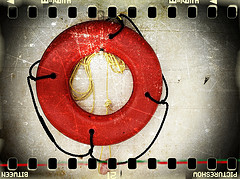
A small cruise ship was traveling through the balmy Caribbean waters when a young man fell overboard. As he thrashed about in the water, the people on board gathered along the guardrail to consider what to do.

http://www.flickr.com/photos/respres/4775577737/
by Jeff Turner (respres) via Flickr (Creative Commons use)

Some of the people said, “I really didn’t know him that well so I don’t know what good I would be able to do. He may not appreciate our efforts if we try to swim out to save him.” They went back to their comfortable chairs away from the crowd.

Many of the people looked at the boy fighting to keep his head above the waves and said, “He’s not really in trouble at all. He is still close to the boat and if he really wants to come back, he’ll find a way. Besides, he may start swimming in the same direction we are traveling and get to port safely.” Then they went about their business.

Some of the people quickly sat down at a table and talked about the situation. They discussed how he might have fallen overboard and suggested that someone ought to do something about the drowning boy. They agreed that someone ought to give some speeches: one on the dangers facing the person who falls overboard, another on better ways to inform people on what to do when one falls overboard, and a speech on how to rescue someone who is falls in the ocean. They continued talking about this for a while and decided to meet again later and discuss this important issue again.

Even the parents and other family members who were on the ship, and expert swimmers themselves, were concerned about their loved one and wondered who would jump in and save him. They kept yelling to the others and pointing out the young man who commiserated with them, but did not throw out a lifeline.

As the people on board pointed, talked, or went about their business, the young man’s efforts to stay afloat became weaker and weaker. Finally, the man’s head dropped lifelessly back and sank into the surf. Immediately, several jumped from the ship and brought the man’s dead body to the deck. They tried to revive him but it was too late. Those on the ship—parents, friends, other passengers—began to blame one another for the man’s death. Yet they were all responsible for his death for none would be responsible for trying to save him.

As the passengers sorrowed over the young man, a young woman fell overboard. Those on the deck immediately sprang into action. They gathered at the table to discuss this problem of people falling overboard and determined that the speaker must make haste to deliver his presentations on “The Dangers of Falling Overboard” and “How to Rescue the Drowning.” The other passengers went about their business or stood along the rail watching the young woman fight for her life alone in the dangerous swells.

Jude 20-23: But you, beloved, building yourselves up on your most holy faith, praying in the Holy Spirit, keep yourselves in the love of God, looking for the mercy of our Lord Jesus Christ unto eternal life. And on some have compassion, making a distinction; but others save with fear, pulling them out of the fire, hating even the garment defiled by the flesh.

James 5:19-20: Brethren, if anyone among you wanders from the truth, and someone turns him back, let him know that he who turns a sinner from the error of his way will save a soul from death and cover a multitude of sins.

Galatians 6:1: Brethren, if a man is overtaken in any trespass, you who are spiritual restore such a one in a spirit of gentleness, considering yourself lest you also be tempted

A Collection of End Time Prophetic Failures

Steve Rudd has put together a great collection of resources addressing failed attempts at setting a date for the end of the world. You can find it here: http://www.bible.ca/rapture.htm

A great resource for general information about end time prophesies and a debate on premillennialism check out David Padfield’s site: http://www.padfield.com/debates/weiner.html

Jesus will come again at a time no one knows. While you shouldn’t give a lot of attention to such self-proclaimed prophets, we should alway be ready to meet the Lord.

Did God REALLY Forsake Jesus on the Cross?

As Jesus hung on the cross, He cried out the agonizing words that tear into the heart of anyone with a tender heart: “My God, My God! Why have you forsaken me?” It is painful to hear God’s only begotten Son, beloved of the Father, proclaim that He has been forsaken by the Father He adores.

Often this passage is read and the comment is made that because Jesus bore the sins of the world, God had to turn His face from Him and the darkened sky represented the abandoned Son on the cross. But did God really turn His back on His Son and forsake Him as He hung between heaven and man? If God could not look at His Son on the cross due to the sins of the world, will He turn his face from me, the sinner I am, in my darkest hour?

Understanding Psalm 22

Jesus quoted a passage from Psalm 22:1 that Biblical scholars know as a Psalm of the Messiah providing a view of His suffering from the cross. Beyond the description of the Messiah’s suffering, the Psalm is a lesson in trust. Let’s look at the message of Psalm 22.

  • Verses 1-3 includes the mournful cry of our Savior on the cross. It appeared that God was not listening because the Psalmist (and our Lord) suffered at the hands of enemies. He cried out day and night and, though there was no apparent answer, did not doubt God’s rule on His throne.
  • Verses 4-5 contain a key passage to understanding the Psalm: our Fathers trusted and you did not forsake them. God answered their cry.
  • Verses 6-11 notes that the enemies of the Psalmist mock him saying that God has forsaken him (remember this point). The Psalmist affirmed his trust in God from the time he was a nursing child. He begged for God to stay close since trouble was near.
  • Verses 12-18 describe the enemies surrounding him with harsh words and cruel treatment.
  • Verses19-21a is another call for God to save Him.
  • Verse 21b, in the King James and New King James says “You have answered me.” The ESV says “You have rescued me from the horns of the wild oxen (described early as opposing him).” The cry for help was heard.
  • Veres 22-24 are triumphant verses proclaiming that God did not forsake His Son as the enemies falsely charged and appeared to be the case from His cry when oppressed. In fact, Psalm 22 specifically teaches that the Father did not forsake His Son nor did God hide His face from Him! This is the opposite of what many Christians conclude today from this passage.
  • Verses 25-31 proclaim the glories of God and His righteousness and His care for His people. This incident is one of a history of incidents where God heard the cry of His faithful children and delivered them.

Why Did Jesus Say It?

So why would Jesus say “My God, My God, why have you forsaken me?” from the cross? Again, the context is the key. In Matthew 27:37-44 the thieves, chief priests, scribes and elders are mocking Jesus and His claim to be the Son of God (playing the part of the bulls of Bashan from Psalm 22), daring Him to leave the cross and prove His divinity. The key verse in Matthew 27  is verse 43:

He trusts in God; let God deliver him now , if he desires him. For he said, “I am the Son of God.” (ESV)

The apparent logical conclusion of the enemies is either Jesus is not the Son of God or that Jesus is the Son of God but has been abandoned on the cross since He is not being rescued. Jesus does not have the breath or time to give a dissertation of the necessity of His death on the cross: He is God’s Son but He must remain on the cross for the salvation of man–God did not abandon nor forsake Jesus but He cannot rescue Jesus from physical death without destroying their plan.

Though He cannot argue this from the cross, He can yell out “Eli, Eli, lama sabachthani” which points to Psalm 22. Wise members of the Jewish audience would have known the message of Psalm 22 and realize the events described in the Psalm were taking place before their eyes. They would also know that Psalm 22 teaches that the suffering servant was not forsaken on the cross, that God heard him and did not turn His face from Him, and ultimately many would rejoice for the act of the Savior. Psalm 22 reveals the heavenly perspective of the events on Golgotha that Jesus was not abandoned and God heard His cry.

When my son was very young he had to endure a painful examination to test for a disease. The nature of the test and his young age did not permit anesthesia for pain and at his very young age he was confused about why the doctor was hurting him and I didn’t stop him. I was with him during the examination. Parts of the test were very painful and he is squeezing my hand, crying loudly, and looking at me helplessly. I could have stopped the doctor and taken him from the room but we wouldn’t know his true health condition. I had the power to free him but because of his greater health need, I did not. I did hold his hands, look him in the eye, and constantly assured him that I was there and the pain would be over soon, then comforted him when the procedure was over. I could not stop his pain and he had to endure the suffering but I never abandoned him while he was going through the pain. Taking Matthew 27 and Psalm 22 together, I see such a relationship between the Father and His Beloved Son: He allowed Him to suffer for the salvation of man but did not turn His face from Him.

Can God Not Look At Sin?

Some say that God turned His back on Jesus because He cannot look at sin. God is always looking upon man and sees our sin. While looking on the earth in Genesis 6 He was sorry that He made man. In Job 1 His eyes were going all through the earth. In fact, the vision of God’s all seeing eye is that He looks upon sin and godliness in man. Besides this, looking at Jesus would not be looking at sin but at the sacrifice for sin determined from eternity. Jesus bore our sins in that He received the penalty for our sin but He was an unblemished sacrifice, the sinless Son of God! There was no sin on the cross: there was a sin offering.

But The Sky Was Dark For Three Hours!

Matthew 27 notes that the sky was dark during the day for three hours before Jesus cried out the saying we have been considering. If you read the accounts there is no divine commentary on why the sun was darkened or obscured! I have heard people say that God could not look at sin or look at His Son suffering so the sky was dark. That has to be read into the text because no such thing is said! Only the fact of the darkness is reported. First, considering God is an infinite being, He can only “symbolically” choose not to look at something because the nature of infinity is that He is omnipresent and omniscient. Secondly, perhaps something else is intended. In the Old Testament, the darkened sun symbolized the fall of kingdoms and historical turning points. Perhaps, drawing on the symbolic darkness of the Old Testament, God was obscuring the sun in reality to signify the coming conquest of the kingdom of darkness through the Son’s victory and the historic nature of the crucifixion and subsequent resurrection. Remember, only the fact of the darkness is recorded and there may be reasons beyond attributing humanistic reactions to the Father.

Conclusion

Though the thought of God turning his back on His Son as He bore the sins of the world on the cross sounds deeply moving and profound but the clear teaching of Psalm 22 is that it did not happen. God was with His Son in His darkest hour as he bore the sins of the world and died on the cross. God will not forsake you in your darkest hour and will be with you when you transition from this life to eternity.


Reflections on the Alabama Tornadoes and How To Help

by Russell Poe

Wednesday just felt like things were going to be bad. The ferocious winds of the morning that destroyed a house a few miles away reminded me of the hurricane winds I witnessed many times in Florida. The weather reporters seemed more nervous than usual. Nothing prepared us for the ferocity of the storms, the continual reports of new tornadoes in various locations, and the early reports of devastation. The strangest moment was listening to the account of the tornadoes sweeping near where I preach (about 45 minutes away) as I sat on my deck in the sunshine having just witnessed a tornado system pass by a few miles away only an hour or so before.

I grew up in Fultondale, preached for five years in Northport/Tuscaloosa, have directed summer camps at Children’s Harbor near Alexander City, and live just north of Warrior (all cities in Alabama). All of these locations were seriously damaged in the tornado and straight line wind damage last Wednesday, April 28, 2011. Our own small town suffered damage and we were without power for over three days and without water for about a day. Though we suffered some electrical system damage to one of our house circuits, some friends of ours down the road suffered serious damage to their house. The tornadoes in our area passed a few miles either side of our house so we happily accepted the inconvenience of lost power and water to loss of a house or life.

Over the past two days I have passed through several of the communities damaged by the storms and seen the videos and pictures of damage in other areas. The devastation to areas that I knew so well is shocking and hard to grasp. It is one of the few disasters where everyone I know was affected directly or knew someone who was. Many of the communities destroyed were working class or low income areas where the normal challenges to living day by day have now intensified. The government and aid agencies are responding quickly but I think most people are wanting to know how they can help. Here are some ideas:

Donate and/or Volunteer

There are professional organizations who have the personnel and organizational ability to coordinate relief quickly to these areas. Some good sites for coordinated efforts to respond to this disaster are:

Serve Alabama (Governor Bentley’s Alabama Tornado Relief Fund)
Federal Emergency Management Agency Helping Others Site
American Red Cross (Or text “REDCROSS” to 90999 to give $10)
Local Media (WERC and MyFoxAL)

Pray

The people here need your prayers for those who have lost loved ones, homes, and are trying to recover. Remember the rescue crews and utility crews as they try to save lives and help the communities rebuild. Pray for opportunities for the gospel to reach those who are lost who, because of the events of the past week, are reconsidering their relationship with God. Pray for the other states that were affected and the communities recovering.

In Alabama we are accustomed to tornado watches and warnings during the warm months. Several times a year we  journey to the basement–our safe place–to wait out the threat. I believe the average Southerner probably knows more tornado related weather terminology and can interpret a weather map better than the rest of the world. Sometimes we can become complacent, but most of us have been close to or in a tornado and have developed a healthy respect for the power of these storms. This week, our appreciation for the power of the storms and the power of everyday people helping others rebuild after a disaster grew exponentially.

Weeding Our Minds

Photo by MEJones from Stock.xchg Creative Commons

The last few weeks I noticed my yard was starting to turn green in places. While this is often a welcome sight, it was most disturbing today. Each green patch was a collection of weeds trying to get an early start on conquering my yard. I could not do anything about it immediately because we had several rainy days that corresponded with my days off. When I could finally work in the yard, the green patches had grown larger. As I was plucking some weeds by hand and planning chemical warfare against the rest, I realized how similar this was to keeping ourselves pure.

Ideally, we would all like a beautiful lawn with a rich growth of lush green grass. Most contractors lay sod when they build a house so we often start with a perfect yard. After time wind, bugs, and the visiting neighborhood dogs bring weed seeds into our yard where they can take root and, if unchecked, flourish. What amazes me is that one must spend money and time watering and fertilizing the grass to make it grow strong but weeds seem to thrive on negligence.

The weeds in our lives follow a similar pattern. They start small. We have a few problems here and there but it does not appear to be serious. We may tell the occasional lie or filthy joke, curse, or have lustful thoughts. Of course, we do not intend for it to develop into a serious problem; just an infrequent indulgence. However, as we let these sins take root, they will grow.

If we do not strive to eliminate the sinful thoughts and actions, they will spread quickly. Sin breeds sin. In our experience, we often find it is easier to commit a sin a second time than it was the first time. The first time we face a great temptation, we are often mindful of the spiritual consequences and hear the lessons of parents, preachers, and teachers echoing through our minds. Yet when we sin—and are not struck by lightning—we become more confident in sinning again. Soon we feel we can hide our sin from others very well and that it is not really hurting us. Like those annoying weeds, sin soon has spread in our hearts.

The grass cannot grow where the weeds dominate. When sin grows in our heart, it displaces good. As James says, “Can a spring send forth fresh water and bitter from the same opening?” James 3:11. Jesus condemned the church in Laodicea for being lukewarm, Revelation 3:15-16. We must be committed to righteousness and determine not to let sin take hold in our lives. As the weeds take the nutrients from the grass, so sin saps the spiritual strength out of our life. We must not “falter between two opinions,” 1 Kings 18:21.

One sobering lesson we must remember is that it is tougher to get rid of weeds when they are prevalent in the yard. It takes expensive chemicals and extensive labor to get rid of the intruders. When sin becomes habit, it is equally hard to eliminate it. Some people struggle for years to eradicate sins that have become integral parts of their lives. Always remember, it is easier to overcome temptation than to purge a bad habit. Of course, God will help us if we ask.

Be diligent, vigilant, and thorough in rooting out sin, and your life, like a beautifully manicured lawn, will be organized, peaceful, and fulfilling.