
[caption id=“attachment_1010” align=“alignright” width=“300” caption=“Photo by MEJones from Stock.xchg Creative Commons”]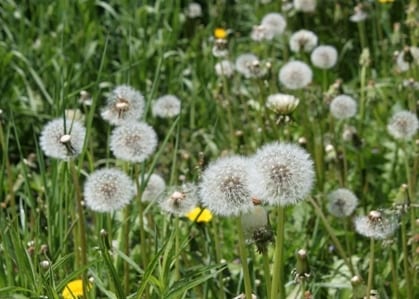 [/caption]
Over the last few weeks, I noticed my yard starting to turn green in places. While this is usually a welcome sight, it was disturbing this time. Each green patch was actually a collection of weeds trying to get an early start on conquering my yard.
Because of several rainy days on my days off, I could not do anything about it immediately. By the time I could finally work outside, the green patches had grown much larger. As I plucked weeds by hand and planned chemical warfare against the rest, I realized how similar yard work is to keeping our minds pure.
The Natural Growth of Weeds
Ideally, we would all like a beautiful lawn with a rich growth of lush green grass. Most builders lay down fresh sod when they finish a house, so we start with a perfect yard. Over time, wind, bugs, and neighborhood pets bring weed seeds onto our property.
If we leave these seeds unchecked, they will quickly take root and flourish. What amazes me is that we must spend money and time watering and fertilizing grass to make it grow. Weeds, however, seem to thrive on pure negligence.
Sins Start Small
The weeds in our spiritual lives follow a very similar pattern. They start small. We might have a few minor problems here and there, which do not seem serious.
We might tell an occasional lie, laugh at a dirty joke, use bad language, or indulge in lustful thoughts. Of course, we do not intend for these choices to develop into serious habits. We think of them as simple, temporary indulgences. Yet, as we let these sins take root, they inevitably grow.
If we do not actively work to eliminate sinful thoughts and actions, they will spread quickly. Sin breeds more sin. In our experience, we often find that committing a sin a second time is much easier than the first.
The first time we face a major temptation, we are highly aware of the spiritual consequences. We hear the lessons of parents, preachers, and teachers echoing in our minds. Yet when we sin—and are not immediately struck by lightning—we grow bolder. Soon, we believe we can hide our choices from others, and we convince ourselves that no one is getting hurt.
Replacing Good with Evil
A healthy lawn cannot grow where weeds dominate the soil. Similarly, when sin grows in our hearts, it displaces the good.
The apostle James highlighted this conflict with a powerful question:
“Can a spring send forth fresh water and bitter from the same opening?” — James 3:11
Jesus also condemned the church in Laodicea for trying to live in both worlds, calling them “lukewarm” in Revelation 3:15-16. We must be fully committed to righteousness. Just as weeds steal vital nutrients from grass, sin saps the spiritual strength out of our lives. We must not waver between two opinions, as we are warned in 1 Kings 18:21.
Eradicating the Intruder
We must remember that clearing weeds is much harder once they have taken over the yard. It takes expensive chemicals and intense labor to get rid of the intruders.
When a sin becomes a habit, it is just as difficult to eliminate. Many people struggle for years to purge behaviors that have become deep-seated parts of their lives. It is always easier to overcome a temptation today than to break a bad habit tomorrow.
Thankfully, God is always ready to help us if we ask Him. Be diligent, watch your thoughts, and pull out those spiritual weeds before they spread. Your life will become far more peaceful, organized, and fulfilling.
Private Reflection Journal
What is one thing from this study that you can apply to your life today? Jot down your thoughts below.