
This is the first article in a three-part series on Understanding Suffering:
- How Can A Good God Permit Suffering?
- Man Creates Much of His Suffering
- Working With God to Relieve Suffering
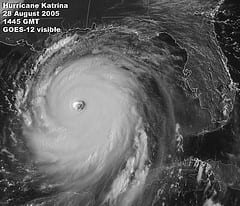
Earthquakes and tsunamis devastate nations. Natural disasters bring widespread death, and diseases like cancer cause immense pain. When these tragedies strike, many people cry out, “Where is God?”
Suffering is a painful reality for every generation. As Job observed:
“Man who is born of woman is of a few days and full of troubles.” — Job 14:1
For an atheist, suffering is simply how the world works. But for a Christian, it is more complex. The presence of suffering in the world can seem to contradict the nature of a loving, powerful God.
The Bible teaches that God is both all-good and all-powerful. This introduces a classic dilemma: if God is good and all-powerful, why does He allow evil and suffering?
Some theologians (scholars who study the nature of God and religion) suggest that God is not yet fully powerful or good, but is still growing into these traits. However, this answer is unsatisfying. A God who is not fully good or omnipotent (all-powerful) is not worthy of our worship.
Judging God’s Goodness
The first problem we face when questioning God is our own limited perspective.
1. As sinners, we are poor judges of a holy God.
We cannot evaluate God’s goodness using our own flawed standards (Romans 3:10-18).
Think of the conflicts between parents and children. Parents often forbid things that children want to do.
Years later, those children grow up and appreciate their parents’ wisdom. The gap in wisdom between a parent and a child is tiny compared to the gap between us and God.
2. Finite beings cannot fully comprehend an infinite God.
We cannot expect to understand all of God’s ways (John 40:2, 8).
God sees the chain reaction of every event. He can bring ultimate good out of the darkest situations.
For example, God took the apparent defeat of Jesus on the cross and turned it into the ultimate victory for humanity. Many people find that their greatest personal growth comes from their hardest trials.
As Paul reassures believers:
“All things work together for good to those who love God.” — Romans 8:28
We only see a tiny slice of a life that is like a vapor (a mist that vanishes quickly). God is eternal. He sees how all events connect and shape the future.
We get caught up in the pain of today, but God knows the long-term plan.
How Do We Measure Suffering?
At what point do we feel justified in questioning God’s goodness? How much tragedy must occur before we decide God should have stepped in?
Is it the loss of millions of lives? Thousands? Tens? A single life? What about the loss of property?
The truth is, we cannot draw a logical line between “acceptable” and “unacceptable” suffering. If the death of 200 people makes us doubt God, why would we accept the death of 150 without question? Any line we draw is completely arbitrary (based on personal whim rather than reason).
We live in a natural world governed by physical laws. If we fall from a great height or get into a high-speed crash, our physical bodies will suffer.
Pain and death are natural parts of physical life. Complaining that these laws are unfair is immature. While pain is unpleasant and feels undeserved, it is an unavoidable part of our earthly existence.
The Purpose of Trials
Too often, we judge God’s goodness by our own comfort and happiness. But comfort is not God’s primary goal for us.
In fact, our spiritual lives often weaken when we face no difficulties. Muscles only grow when they are stretched and strained. Iron is hardened by fire and hammer. Gold is purified by heat.
We develop character and endurance through trials. As Paul writes in Romans 5:1-5, suffering produces perseverance (the ability to keep going through difficulties), character, and hope.
Instead of blaming God for the suffering in the world, we can choose to see trials as opportunities to grow in faith and trust.
Private Reflection Journal
What is one thing from this study that you can apply to your life today? Jot down your thoughts below.